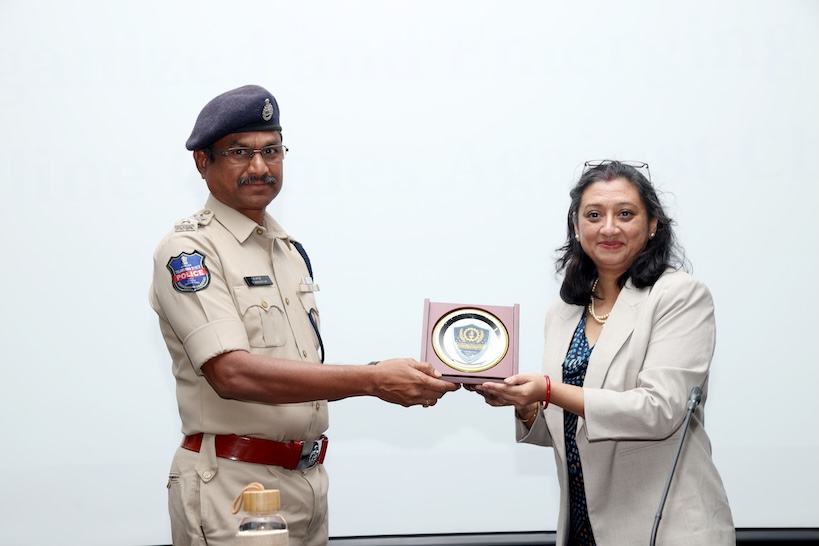
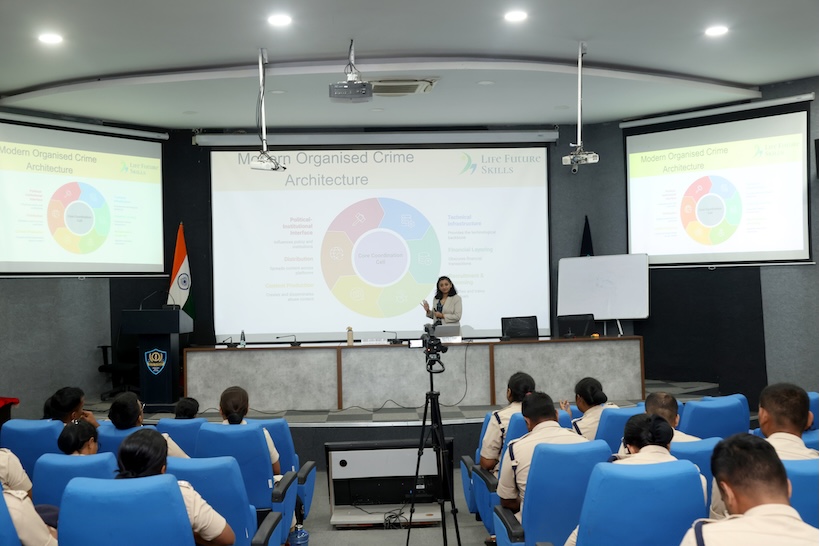
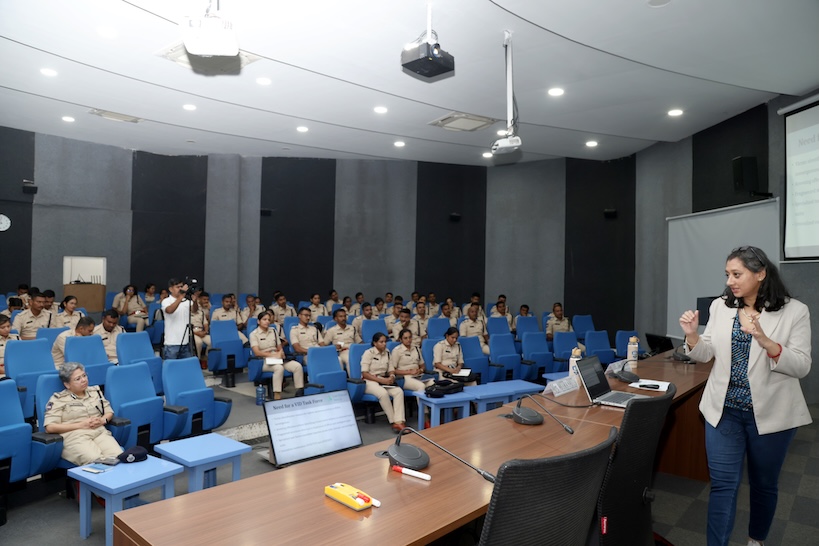
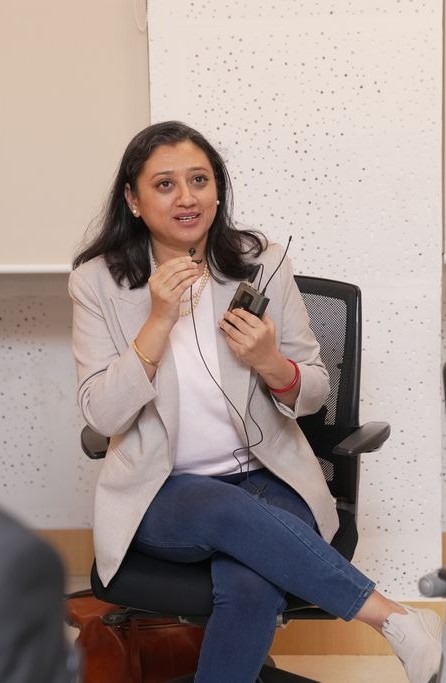
LifeFutureSkills at Telangana State Police Academy
LifeFutureSkills was invited to present remarks for a special thematic session for in-service training of police investigators at Telangana State Police Academy. The scope of the session included overview of organised and emerging crime, with particular focus on online crimes targeting vulnerable communities, especially children. Highlighting the complexities of criminal networks, regional nuances, law-enforcement operations, and the critical importance of national and international cooperation in addressing transnational crime.
The session brought Online Crimes Against Children into sharp focus as a growing global threat. Best practices, including the Victim Identification Task Force and Trace and Object and Victim Identification Labs, were shared underlining how civil society and members of the public can contribute crucial intelligence to support effective and timely identification of child victims by law-enforcement agencies. The session concluded with an engaging, case-study-based interactive exercise, where participants examined clues and intelligence to explore how a child could be identified and safeguarded.
The discussion reinforced a crucial message: prevention, early identification, and safeguarding are at the heart of Child Online Protection laying the cornerstone for digitally resilient communities.
Post Graduate Programme in Public Policy and Management (PGPPM) at IIM Bengaluru
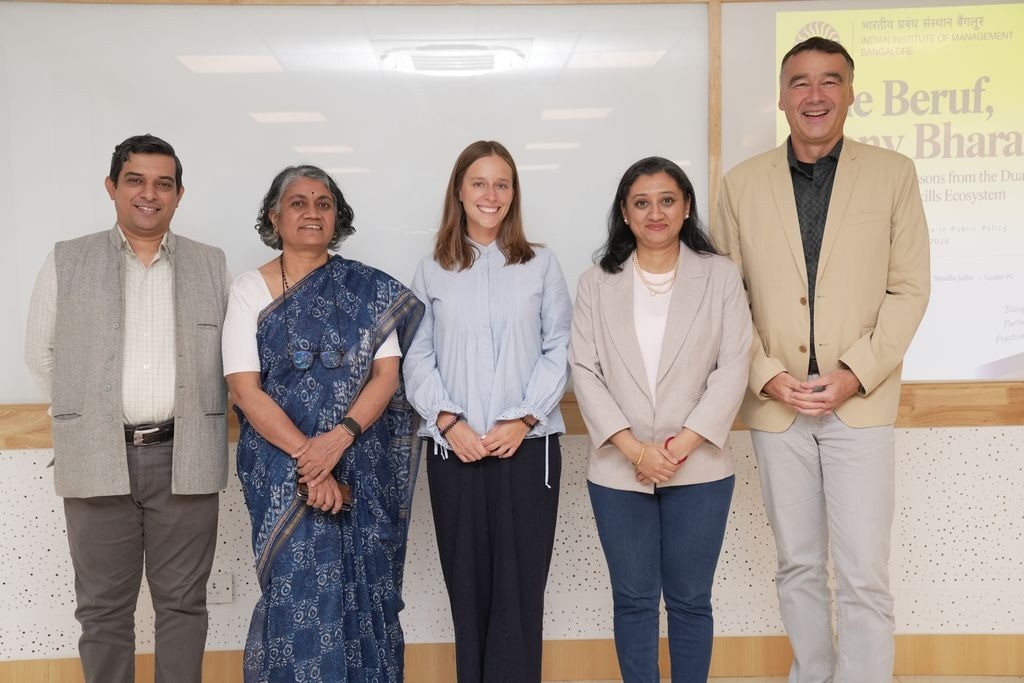
LifeFutureSkills was invited to design and deliver a curated program for the PGPPM course at IIM Bangalore on comparative perspective to threat landscape for online child abuse and strategies for policy framework to enhance international co-operation.
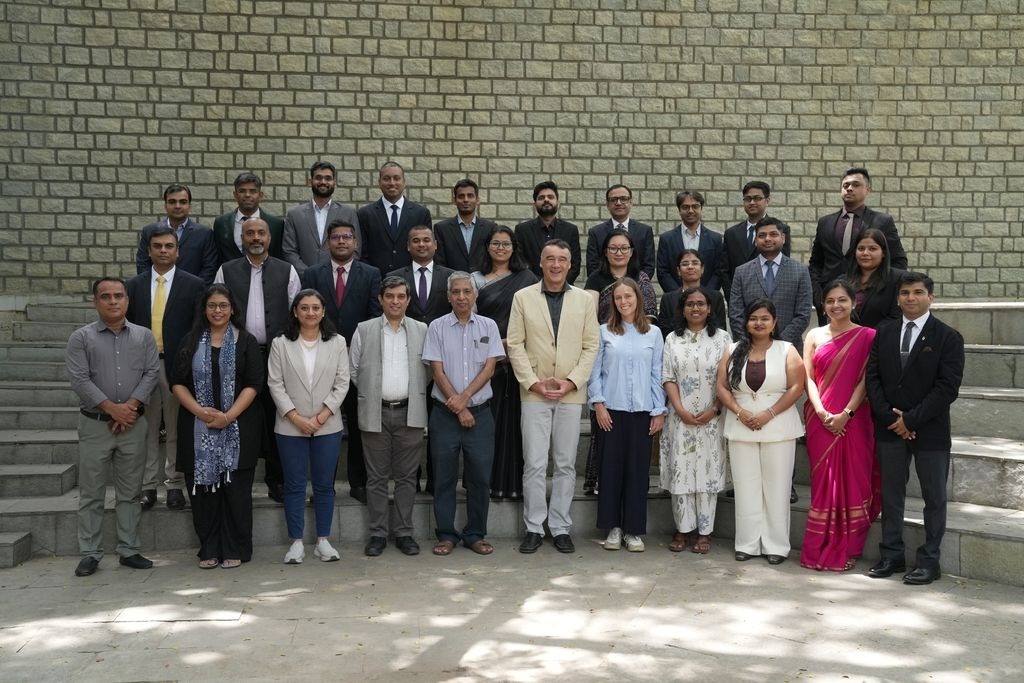
The intervention included weeklong engagement with the course participants. Indian civil service officers from different departments of administrative services. Their curiosity, openness and willingness to understand unfamiliar terrain of child online protection, cyber security and international co-operation responding to transnational crime was refreshing. Exchange of ideas, creative ways to engage multi-sectoral stakeholders for rescue and safeguarding made every session an enriching experience filled with discussions and insightful questions.
Led and organized by Centre for Public Policy the PGPPM, course aimed to broaden participants’ perspectives beyond their own sectors and the Indian context—offering insights into international ecosystems and policy approaches. This Postgraduate Program in Public Policy and Management (PGPPM), a 14-month executive program designed for experienced administrators, government officers and public policy professionals from sectors such as telecommunications, railways, corporate law and taxation. Beyond lectures, the course week included a business case study, plenary discussions, group works, role-playing exercises and participant presentations.
LifeFutureSkills is delighted to be part of this discourse shaping perspectives and future policy making for a safer world.
Future Crimes Summit 2026
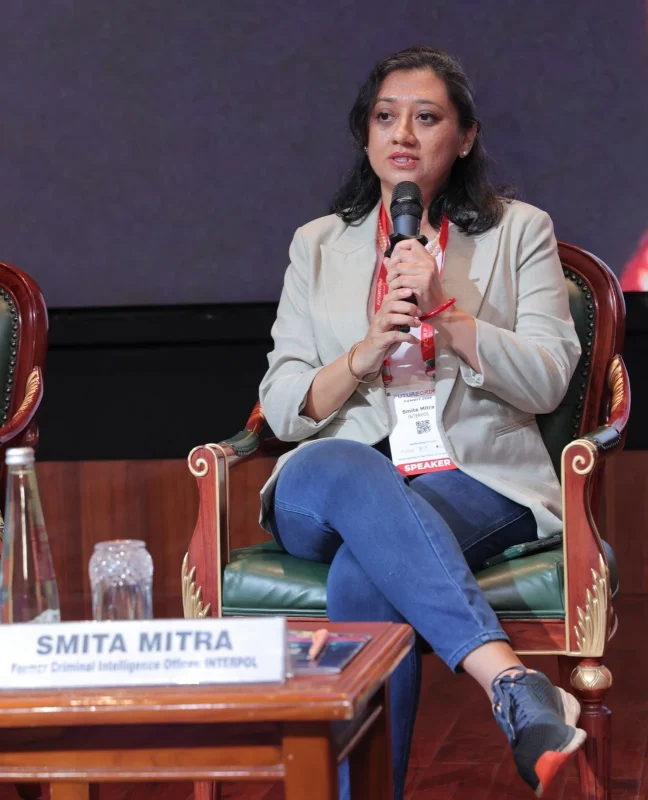
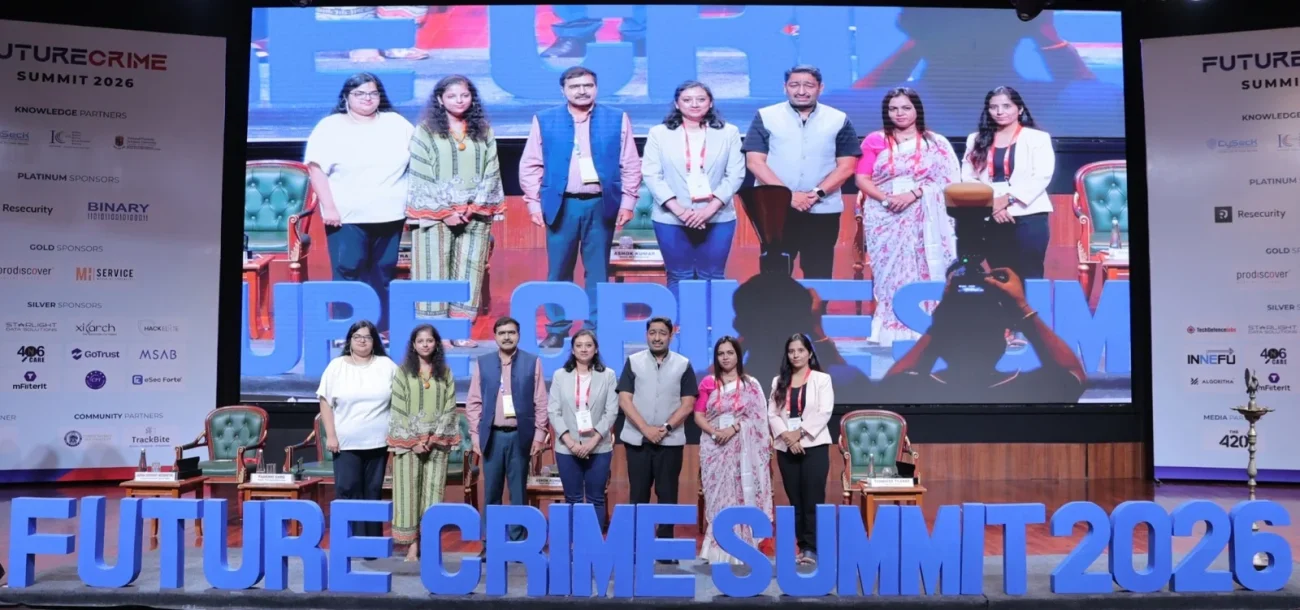
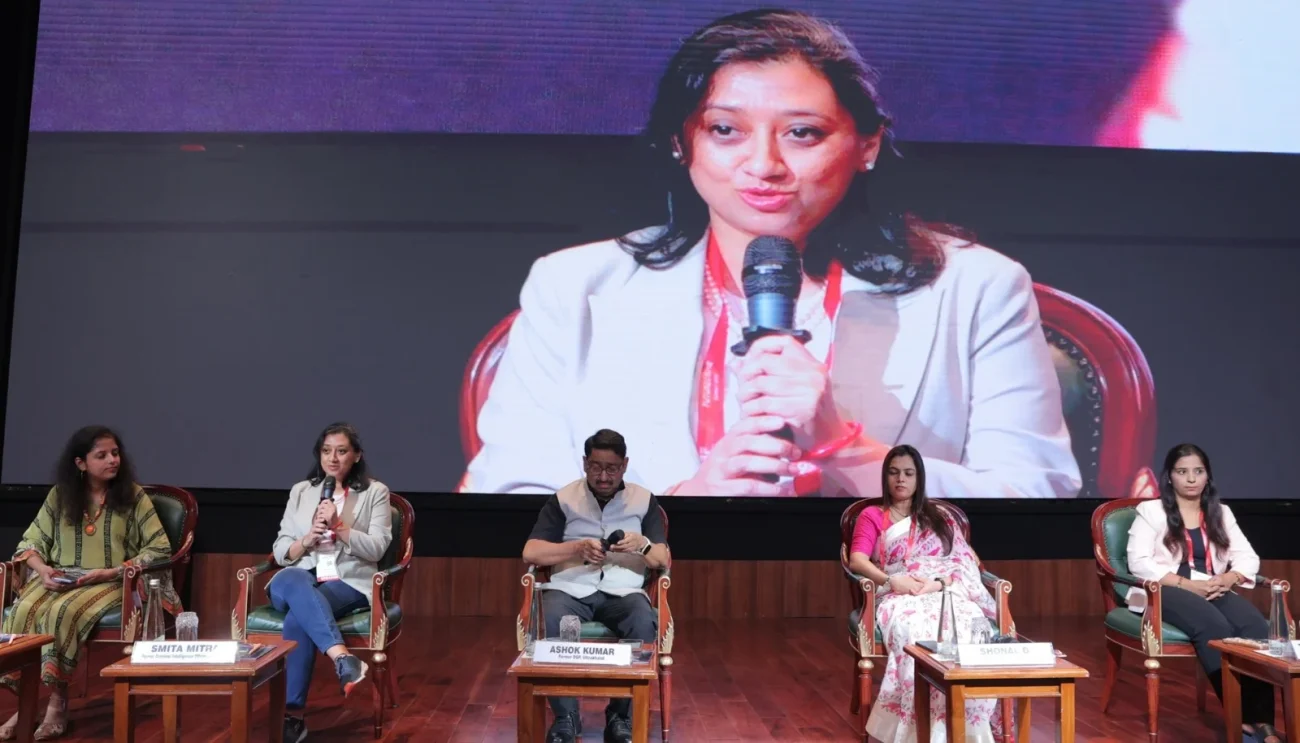
LifeFutureSkills was invited to present remarks at a curated multi-stakeholder panel on Protecting the vulnerable: Child safety, cyber stalking and Online Victim Protection and CSAM at the Future Crimes Summit in August 2026.
It was promising to see representation from different stakeholders shared perspectives on victim centered investigation, trauma informed protocols, core investigative shifts, implement wellness safeguards. Concerns shared regarding proliferation of synthetic media, Artificial Intelligence (AI) generated or manipulated abuse imagery. Need to enhance intelligence sharing, operational and legal alignment and multi-disciplinary support. While the discussion shed light on the need for regulating age assurance, online safeguarding and digital wellbeing in school communities for students, educators would go hand in glove. Digital parenting initiatives, building resilient communities are steppingstones for responsible digital citizenship.
Conversations around children’s digital safety are crucial, onboarding all inter-connected stakeholders in this dialogue is equally significant and lays the foundations for partnerships for a safer world.
Cyber Security Summer Internship (GPCSSI 2026), organized by Gurugram Police, 13th edition. Haryana India
LifeFutureSkills contributed to the 13th edition of the Cyber Security Summer Internship (GPCSSI 2026), organized by Gurugram Police in June 2026 supported by VISA, Development Leaders Alliance and PHD Chamber of Commerce and Industry. This program is India’s largest cyber internship initiative, bringing together students and professionals to promote cyber awareness and cyber safety through practical learning.
LifeFutureSkills facilitated sessions on technology-facilitated harm. Drawing on trends increasingly witnessed across countries, this session unpacked where the threat vectors of online harm overlap with tech-facilitated child sexual exploitation and abuse. Children are most at risk, in the form of cyber bullying, sextortion and what tactics are used to perpetrate abuse and evade detection using case studies, offering concrete approaches to exercise caution by seeking support and maintaining a healthy offline support system apart from exercising cyber hygiene.
This session provided the interns with real-world examples of how civil society organizations, national and international reporting hotlines, major tech industry platforms, and global law enforcement agencies operate as a unified ecosystem in the global transnational threat landscape to analyze data sharing and proactive reporting mechanisms from grassroots organizations into actionable intelligence for law enforcement actions. LifeFutureSkills’ Safeclicks modules were well received and added to the knowledge and practical skills of the participants, who are very keen to pursue global threat analysis and strategic security planning industry in their future career path.
Partnering with Indian Cyber Crime Co-ordination Centre, MHA, Government of India
LifeFutureSkills is privileged to support Indian Cyber Crime Co-ordination Centre (I4C), Ministry of Home Affairs, Government of India for the National Dialogue & Master Trainers’ Induction Program for Online Crimes Against Women and Children, in March 2026. This programme hosted specialized investigation officers from states and Union Territories to arrive at common understanding on threat landscape and focus on policing capabilities for investigating online crimes against women and children.
The dialogue witnessed political will and commitment by the national leadership. The national dialogue was followed by a week-long series of expert led sessions, a modular training programme which included practitioner-led sessions to strengthen national operational capacity to assess, analyse and investigate these crimes effectively and efficiently through an intentional, informed and evidence-based approach.
Victim Identification Task Force (VIDTF) as an operating framework was steered by LifeFutureSkills. This emphasised the need to prioritise victim identification from a child rights perspective. The investigative approach to build evidence trail based on digital forensic, acoustic culturally and regionally rooted intelligence, exchange of knowledge and collective wisdom resulting in victim identification, safeguarding and preventing harm. The rapid rise of Technology-Facilitated Child Sexual Abuse Material (TF-CSAM), transnational nature and AI-generated content makes the investigations complex and difficult. The need for operational efficiency with the use of international database for deconfliction, best practice methods like ‘Trace an Object’ and the use of OSINT tools for investigative effectiveness including a network of expert investigators would be the optimal response strategy. Crucial importance was laid on the investigator’s well-being as an essential operational infrastructure.
India’s national reporting architecture and a fit for purpose operational framework like VIDTF would be pivotal to disrupt harm while augmenting landmark judicial instruments as good case examples.
Read government press release here.
Regional Seminar on Strengthening Cooperation & Expertise for OCSE
LifeFutureSkills had the privilege of collaborating with APLE Cambodia at the Regional Seminar on Strengthening Cooperation & Expertise in Combating Online Child Sexual Exploitation (OCSE), held at Siam Reap.
What stood out most was the unwavering commitment of partners like Terre des Hommes Netherlands and World Childhood Foundation USA and Internet Watch Foundation (IWF), alongside government officials and policy makers, all united by one mission: addressing the transnational nature of OCSE through bold, cross-border collaboration.
As Seila Samleang and his outstanding team chart the next chapter—building capacity, capability, and pathways for faster CSAM reporting & removal—we at LifeFutureSkills Private Limited are deeply committed to supporting efforts that harness strategic tech tools to stop grooming and exploitation at their roots.
💡 A special thanks to H.E. Sambath Sokunthea, Zoe de Melo, Kristen Scharf, Malina Enlund, Derek Ray-Hill for making my role in capturing key takeaways seamless, and a huge shoutout to Dushica Naumovska 👍 for her excellent online presentation on Kindred Tech.
This was more than a seminar—it was a call to action. Together, we are shaping safer digital futures for children in Cambodia and everywhere. 🚀
https://www.facebook.com/tvsiemreap/videos/1290793756034536/?rdid=Ltj7QTMvRiyyQlxy#
Interactive session at Singapore University of Social Sciences (SUSS)
LifeFutureSkills facilitated an interactive session at Singapore University of Social Sciences (SUSS) for Public Safety & Security program.
Intentional actions are pivotal in shaping the future workforce amidst a rapidly changing landscape. The evolving world presents a prime opportunity to explore the development sector.
ASEAN conference on ‘Prevention and Countermeasures for the misuse of Financial Service Providers in Child Sexual Exploitation Crimes, Indonesia, Bali
Facilitating workshop with Asian Women parliamentarians for Konrad Adenauer Stiftung Foundation, Hong Kong.
Session with emerging youth on International development cooperation and generating innovative solutions focussed on Sustainable Development Goals – 2030 Agenda, Singapore.
Published article on gender and migration - India Migration Report 2015, by Routledge
Abstract
People are living in a period of social realignments for which the term global society best reflects the multiscale and multilevel interdependence and connectedness between nations and communities. Increasing interdependence of goods and labour markets in an unbalanced global economy is spurring migration flows across the world. Thus, triggered by intraregional economic and demographic gaps, an increasing number of women with low skill sets migrate as domestic workers from Asia to the Gulf. Many women migrant workers end up in unregulated workplaces in the informal economy, in domestic work, hospitality and entertainment. Experiences of human rights abuse in labour migration management have been found to be embedded at the intersections of structures of power and identities that are historically formed. In South Asia, the South Asian Association for Regional Cooperation (SAARC) Convention on Preventing and Combating Trafficking in Women and Children, ratified by all Member States, came into force on 15 November 2005.
Disclaimer: All images and projects on this page are from actual events by employees and founders of LifeFutureSkills. Some of these events may have occurred before the company formation. This part of our disclosure for all media and social media posts on this webpage.